Category
Author
The Englefield Estate
A move from the gardens team to become the Englefield Estate’s Forestry Ranger is proving to be a success for Mark Jackson, who is putting his skills and knowledge as a seasoned countryman to good use in an important new role.
Mark, who started working for the Estate in 2009, spent 16 years as a gardener. But with a keen interest in conservation, he was delighted to move to a new role with the forestry team working to improve woodland habitats and the management of wildlife.
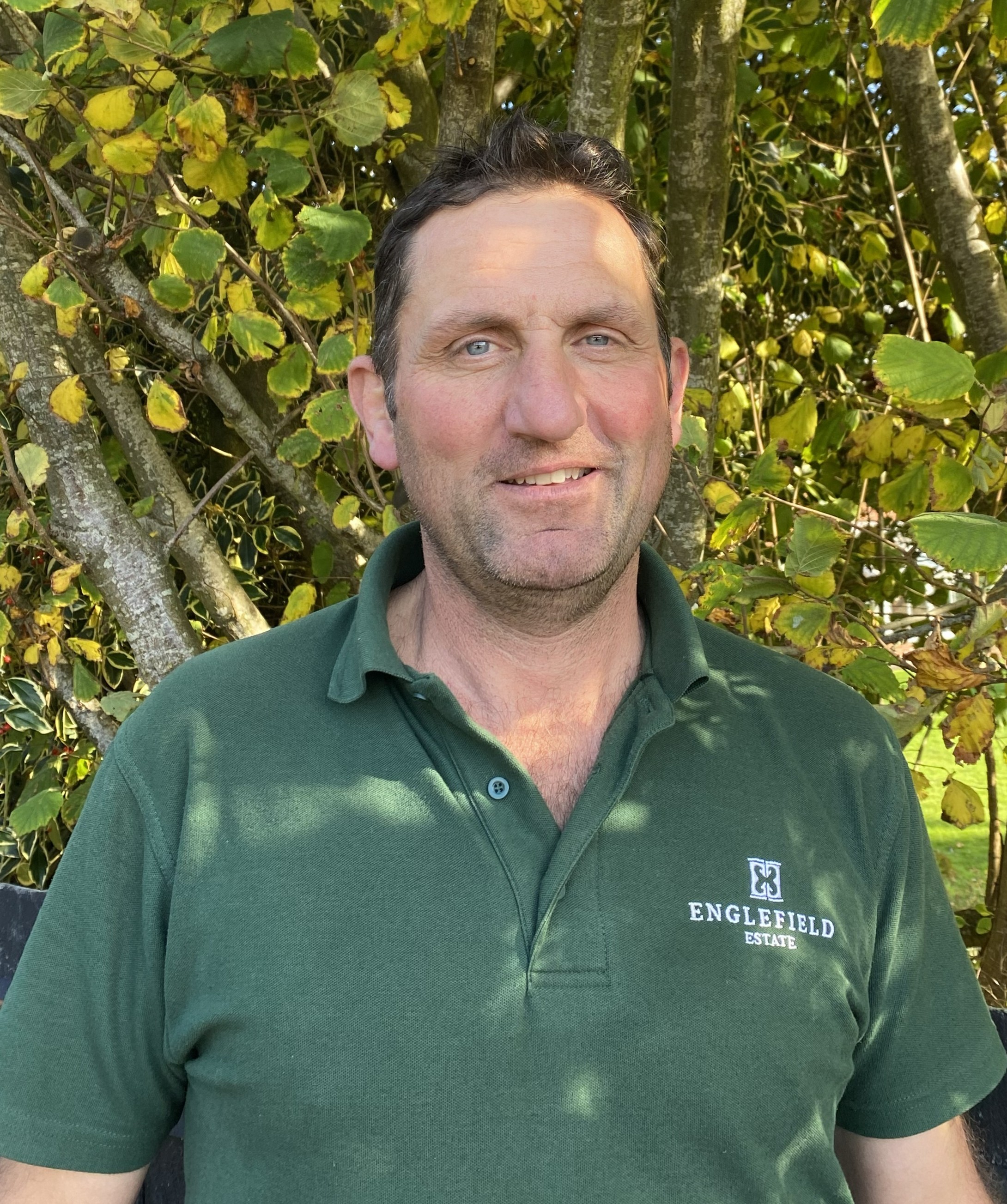
His responsibilities include maintaining a sustainable deer population, as well as reducing grey squirrel numbers. Both species pose a serious threat to native flora, including trees and, in the case of deer, agricultural crops.
Mark also acts as the Estate’s eyes and ears in the woodland, checking on bridleways and footpaths and watching out for wildfires, especially during hot and dry periods. He is also qualified to support the rest of the forestry team with tree work, when required.
Mark, 53, started his working life as a postman and part-time gardener before joining the Estate. He has lived in Englefield for around 20 years and knows the area well.
He said: “I have always had an interest in the countryside and shooting, as a hobby. In this role I have been able to turn it into my job. I have been able to improve my skills through attending courses, including obtaining my Deer Stalking level 1 Certificate.”
Deer can cause damage in woodlands in a number of ways, including browsing (eating the shoots and leaves of plants) and fraying (rubbing antlers) against trees and damaging the bark.
Deer species on the Estate include muntjac, introduced into England from China in the 20th century and are a growing and serious problem in the British countryside because of the speed at which they breed. Numbers of fallow and roe deer, which also cause serious damage to young trees and the woodland understorey, are also on the rise nationally.
Mark said: “I started in the role in April and have been getting to know more about the Estate and the woodlands during this first year. I’m really pleased to have been given this opportunity.”
Englefield Estate’s Head of Forestry, Richard Edwards, said: “This is an important new role, and Mark is playing a significant part in helping maintain healthy woodlands on the Estate, for the benefit of conservation and our commercial forestry operation.
“It is very satisfying to be able to provide an opportunity to Estate employees for career progression particularly where we have the skills in-house that are well-matched to new challenges.”
Mark processes all the venison from the Estate which is sold to a local game dealer, providing healthy and sustainable meat.
The Estate receives grant support under the Government’s Countryside Stewardship Higher Tier Scheme for wildlife management, designed to protect woodlands and enhance biodiversity.